
Honouring National Indigenous Peoples Day and the Significance of Treaty 8
Fort McMurray, AB
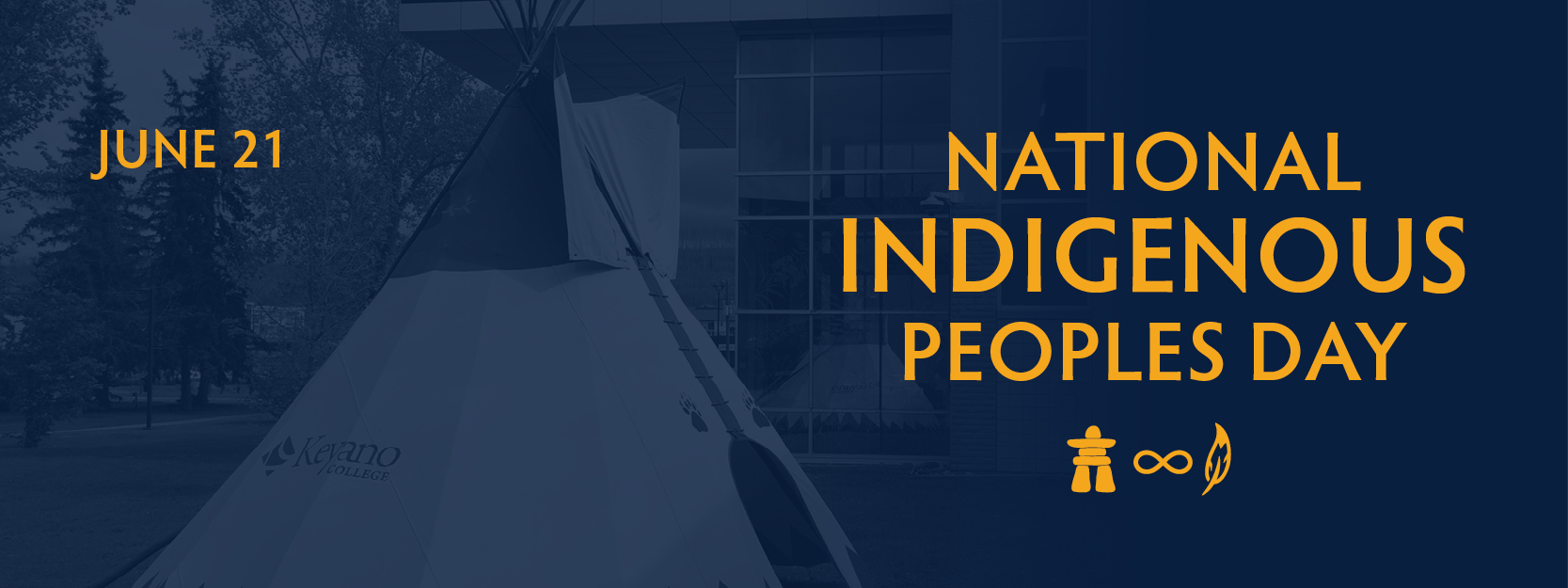
June 21 is National Indigenous Peoples Day, a day to recognize and celebrate the history, heritage, resilience and diversity of First Nations, Inuit and Métis peoples across Canada.
For many Indigenous groups and communities, June 21 has long held significance because of its connection to the summer solstice.
As the longest day of the year, the summer solstice holds deep cultural and spiritual meaning for many Indigenous peoples. It can symbolize a new season of life, a time for renewal, and an opportunity to leave past burdens behind. Summer solstice celebrations often include traditional ceremony, music, dancing, drumming, feasts and storytelling.
In 1996, National Aboriginal Day was announced by then Governor General of Canada, Roméo LeBlanc, through the Proclamation Declaring June 21 of Each Year as National Aboriginal Day. This followed consultations and statements of support from various Indigenous groups. In 2017, National Aboriginal Day was renamed National Indigenous Peoples Day.
June 21 is also the anniversary of the signing of Treaty 8. Signed on June 21, 1899, it covers a large area of what is now northern Alberta, northwestern Saskatchewan, northeastern British Columbia and parts of the Northwest Territories.
Treaty 8 continues to hold significance for the First Nations who are signatories to it and for the communities connected to Treaty 8 territory. We also recognize this land as the traditional and contemporary meeting grounds and gathering places of the Denesuline, Cree and Métis Peoples of this region.
Today, Treaty 8 remains an important part of the relationship, responsibilities and commitments between First Nations and the Crown.
Keyano College is honoured to be located on Treaty 8 territory and recognizes the responsibilities that come with living, learning and working on this land.
Media Contact
Ercelan Yazdani
Director, Brand and Student Recruitment
Keyano College
Ercelan.Yazdani@keyano.ca