
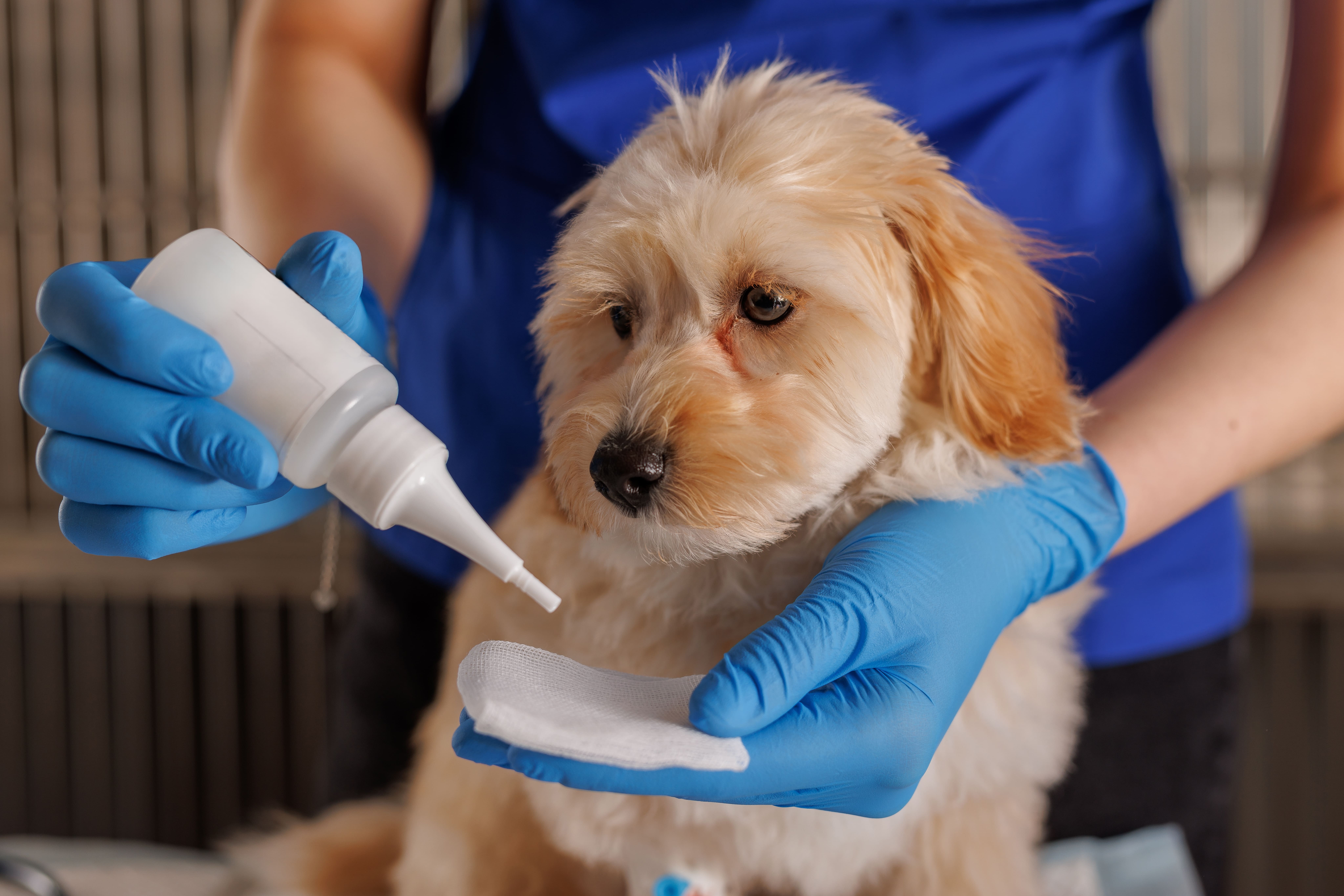
The number one job of a veterinary assistant is to support the veterinarian as well as veterinarian technicians with basic tasks. Veterinary assistants typically feed, weigh, bathe and take the temperature of animals. They may also help give medication, clean cages and help restrain animals during treatment or other medical procedures as needed.

The Veterinary Assistant program provides practical training for those interested in working with animals and supporting veterinary teams. You’ll build the knowledge and hands-on skills needed to assist with animal care, clinical procedures, and the day-to-day operations of a veterinary practice. The program prepares you for entry-level opportunities in veterinary clinics, animal hospitals, shelters, and other animal care settings.
What You'll Learn as a Veterinary Assistant

Animal Care & Handling
Learn animal anatomy, behaviour, nutrition, safe restraint, and basic patient care.

Clinical & Laboratory Skills
Develop skills in patient assessment, sample collection, diagnostic procedures, medications, and veterinary treatment support.

Veterinary Office & Client Support
Learn medical terminology, record keeping, infection control, client communication, and everyday veterinary office procedures.
Career Opportunities
Graduates of the Veterinary Assistant program can pursue entry-level opportunities supporting veterinary teams and providing day-to-day care for animals. Career opportunities may include:
Veterinary Assistant Animal Care Attendant Veterinary Receptionist Kennel Assistant Animal Shelter Assistant Veterinary Clinic Assistant
Opportunities may be available in veterinary clinics, animal hospitals, shelters, kennels, and other animal care settings.
Program Structure
This course is 100% online. Start anytime.
- The Veterinary Health-Care Team
- Veterinary Team Culture and Communication
- Introduction to Veterinary Medical Terminology
- Veterinary Anatomy, Physiology, and Terminology (Part I)
- Small-Animal Behavior and Restraint
- Veterinary Anatomy, Physiology, and Terminology (Part 2)
- Veterinary Receptionist Duties and Responsibilities
- Veterinary Inventory Management
- Pharmacy Procedures
- Hospital Safety and Infection Control
- Physical Exam and Patient History
- Small-Animal Vaccines and Infectious Diseases
- Small-Animal Nutrition
- Small-Animal Nursing Procedures
- The Human-Animal Bond and Euthanasia
- Laboratory Procedures for Veterinary Assistants
- Diagnostic Imaging for Veterinary Assistants
- Small-Animal Surgical Assisting
- Hospitalized Patient Care
- The Role of the Assistant During Emergencies
- Veterinary Dental Assisting
- Assisting with Exotic Species
- Assisting with Large-Animal Species
- Personal and Professional Development
- Beginning Your Career as a Vet Assistant
- Land the Job
Prerequisites:
- There are no prerequisites to take this course.
- A high school diploma or equivalent is recommended but not essential.
Frequently Asked Questions
What does a Veterinary Assistant do?
Do Veterinary Assistants Handle Administrative Duties?
Some veterinary assistants perform clerical work such as scheduling appointments and speaking with customers. As a vet assistant, you may handle many of the logistical and operating duties, such as check-in, billing and after visit care. Duties will vary depending on the office you work in, but every task is to ensure the health and well-being of animals inside the veterinary practice.
What is the difference between a Veterinary Assistant and Veterinary Technician?
Veterinary assistants are typically trained through a certificate program to help with basic duties. Veterinary technicians, on the other hand, have a formal education and work as the nurse of a veterinarian. Veterinary technicians need two-year associate degrees accredited by the American Veterinary Medical Association (AVMA).
Can I go from a Veterinary Assistant to a Veterinary Technician?
Yes. If you pursue additional education and licensing, you could become a veterinary technician. Working as a vet assistant is a great first step to understanding the industry, different specialties and advanced duties required to work as a vet technician.
Related Programs You Might Be Interested In
More Ways To Get In Touch
Ready to Take the Next Step?
Turn your love for animals into a career that matters